How Institutionalizing Snow-Belt Assets Unlocks the Latent Value of the Tateyama Alps
Shonagon unifies fragmented mountain assets into a single, high-performance alpine network. By automating snow-belt hospitality and facility oversight, the platform stabilizes seasonal operations and unlocks the institutional value of the Tateyama alps.
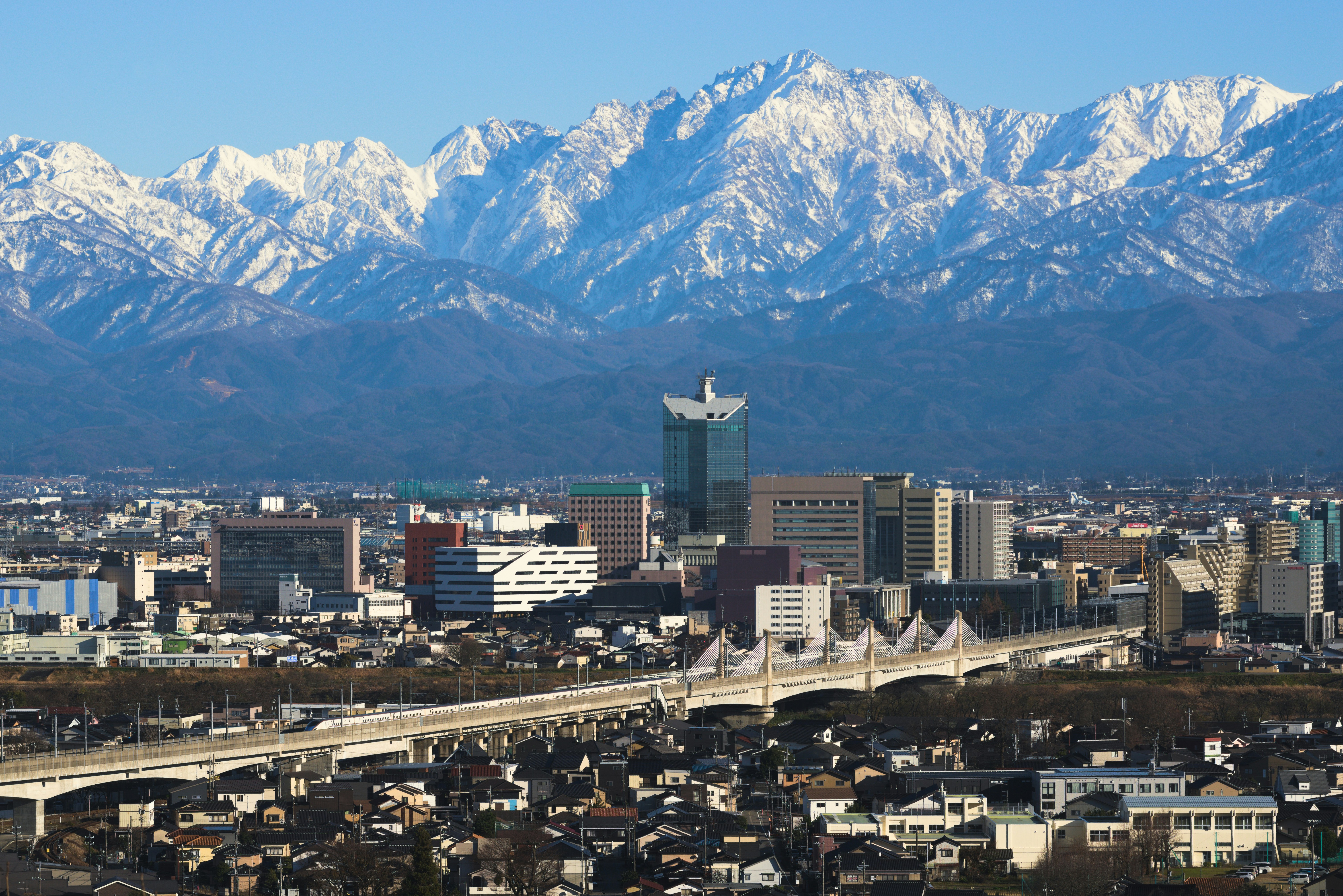
Thesis
Tateyama Alps
Industry
Travel & Hospitality
The Challenge
Within the Hokuriku region and the Tateyama mountain range, a profound structural mismatch is observed between the area’s world-class natural assets and its depreciated hospitality infrastructure. Despite the region’s potential as the "Zermatt of Japan" following the recent expansion of the Shinkansen network, many prime mountain and transit-adjacent assets remain trapped in a succession crisis, hindered by fragmented management models that lack institutional-grade access to management and capital.
Operational performance is frequently compromised by the extreme seasonal volatility and harsh winter conditions characteristic of the alpine climate, leading to excessive facility maintenance costs and inefficient labor allocation. The inherent value of the region—defined by its unique snow-culture and high-altitude intangible assets—is often left unmonetized, as legacy operational structures fail to mark these qualities to true market value.
The Solution
Shonagon will orchestrate assets across the Hokuriku corridor to align the complex logistics of snow-belt hospitality with institutional asset oversight. By deploying a vertically integrated operating system, the distinct business logics of the alpine region—ranging from mountain infrastructure and ski-slope logistics to retail and thermal bathhouse operations—are consolidated into a singular autonomous workflow.
This deep-domain approach allows for the stabilization of seasonally sensitive assets through centralized agentic monitoring, reducing the reliance on increasingly scarce regional labor markets. The system functions as the digital nervous system for the corridor, ensuring that the unique character of the Northern Alps is preserved while the operational framework is modernized to meet global institutional standards.
The Process
Initial Implementation:
Fragmented mountain assets are unified under a single operational logic.
Logistics and facility management for snow-belt properties are streamlined.
Intangible alpine value is identified and institutionalized.
Strategic Expansion:
A cohesive "Tateyama Alps" brand is established through standardized governance.
Autonomous oversight is applied to diverse subsegments including transit and thermal facilities.
Scalability is achieved across geographically dispersed alpine clusters.
Current State:
Fair market value is realized for previously undervalued mountain real estate.
Sustainable NOI improvement is secured through integrated seasonal logistics.
Institutional transparency is provided for historically opaque regional holdings.
Regional Impact:
The Hokuriku hospitality landscape is repositioned for high-quality, long-term growth.
Legacy succession challenges are mitigated through the application of agentic logic.
A foundational model for the revitalization of alpine economies is established.