Institutionalizing Pastoral Assets to Unlock Value in Japan’s Volcanic Tuscany
Shonagon’s platform integrates fragmented caldera hospitality into a vertically managed ecosystem. By automating remote logistics and geothermal oversight, the model captures latent value, transforming aging assets into scalable institutional investments.
Thesis
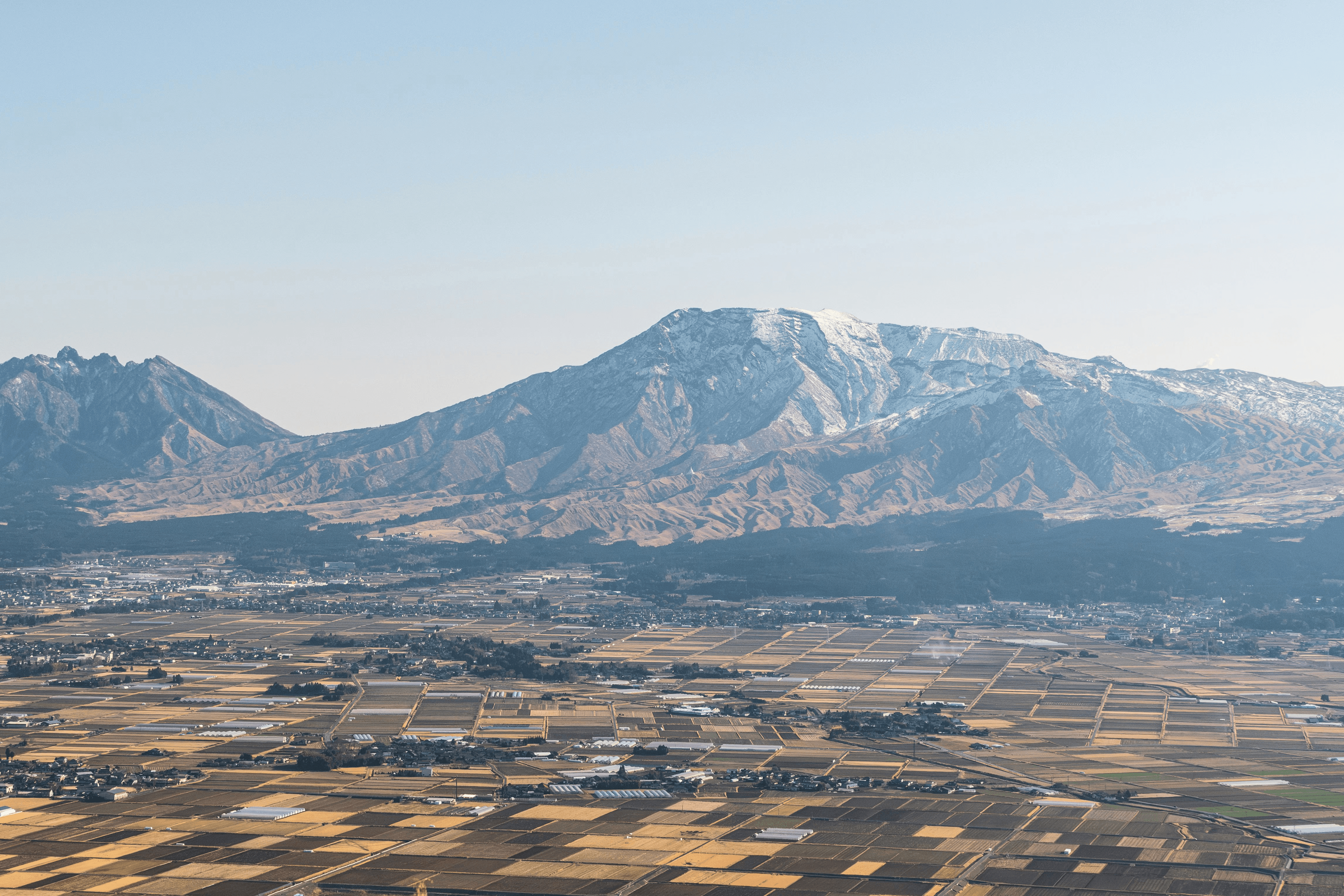
Aso Caldera
Industry
Travel & Hospitality
The Challenge
Within the Aso Caldera, a significant structural disconnect is observed between the region’s high-potential volcanic landscapes and its aging hospitality infrastructure. Despite the area’s emergence as a premier destination for "slow-travel" and geothermal wellness, many prime assets within this "Tuscany of Japan" remain trapped in a succession crisis, managed through fragmented, family-led models that lack institutional scalability.
Operational performance is frequently compromised by the geographic isolation of these rolling grassland and hot-spring properties, leading to excessive maintenance costs and inefficient resource allocation. The inherent value of the region—its unique volcanic terroir, ancient pastoral heritage, and rare intangible assets—is often left unmonetized, as legacy management structures fail to mark these qualities to true market value.
The Solution
A vertically integrated platform is implemented across the Aso basin to harmonize the complex logistics of rural, caldera-based hospitality with institutional asset oversight. By deploying a unified operating system, the distinct business logics of the region—ranging from geothermal infrastructure to rangeland retail and destination dining—are consolidated into a singular autonomous workflow.
This deep-domain approach allows for the stabilization of remote assets through centralized agentic monitoring, reducing the reliance on scarce local labor markets. The platform functions as the digital nervous system for the region, ensuring that the unique, "living-heritage" character of the Aso grasslands is preserved while its operational framework is modernized to meet global institutional standards.
The Results
Initial Implementation:
Fragmented pastoral assets are unified under a single operational logic.
Logistics and facility management for dispersed geothermal properties are streamlined.
Intangible regional value (the "Caldera Premium") is identified and institutionalized.
Strategic Expansion:
A cohesive "Aso Caldera" brand is established through standardized governance.
Autonomous oversight is applied to diverse subsegments including agriculture-tourism and transit.
Scalability is achieved across geographically dispersed volcanic clusters.
Current State:
Fair market value is realized for previously undervalued high-altitude real estate.
Sustainable NOI improvement is secured through integrated utility and land logistics.
Institutional transparency is provided for historically opaque regional holdings.
Regional Impact:
The Aso hospitality landscape is repositioned for high-quality, long-term growth.
Legacy succession challenges are mitigated through the application of agentic logic.
A foundational model for the revitalization of protected pastoral economies is established.